The French Angel Wrestler: A Dive Into the Life and Legacy of a Wrestling Icon
The French Angel Wrestler: A Dive Into the Life and Legacy of a Wrestling Icon
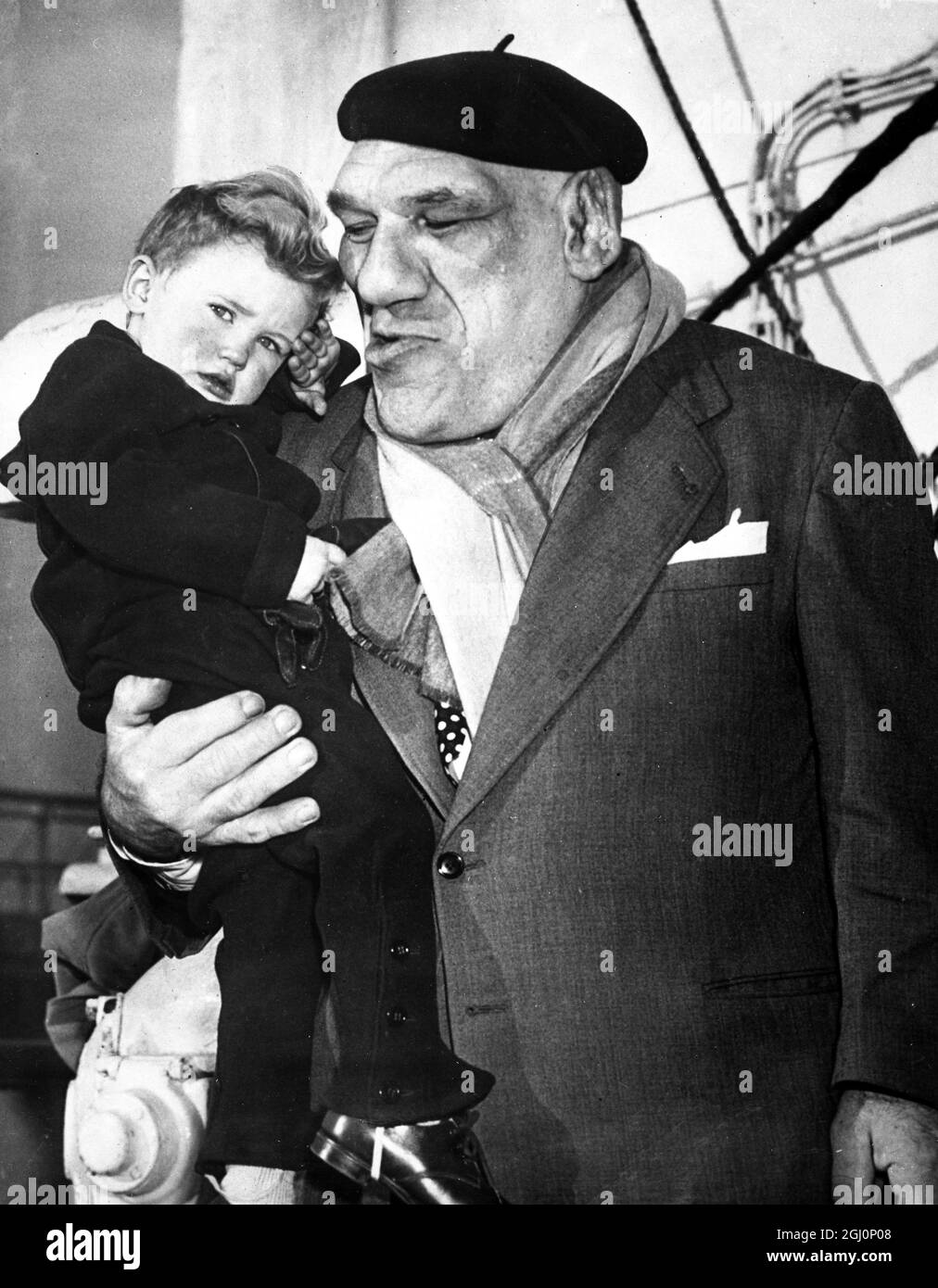
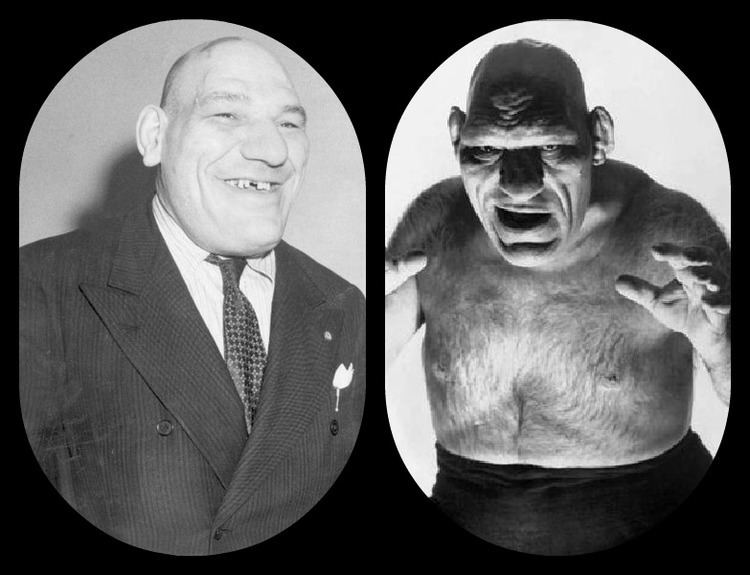
Beneath the glare of arena lights and the thunder of stomping boots lies the enduring legacy of The French Angel — a name synonymous with elegance, resilience, and reinvention in professional wrestling. Born as Pierre André René والت Angelo in Paris in 1968, he transcended cultural boundaries by blending European flair with North American wrestling theatrics, crafting a persona that captivated global audiences. His career spanned decades, a journey marked by momentous rises, fierce rivalries, and a style defined by precision, presence, and unshakable artistic integrity.
More than a performer, The French Angel became a symbol of evolution in a sport often steeped in repetition — a true architect of modern wrestling identity.
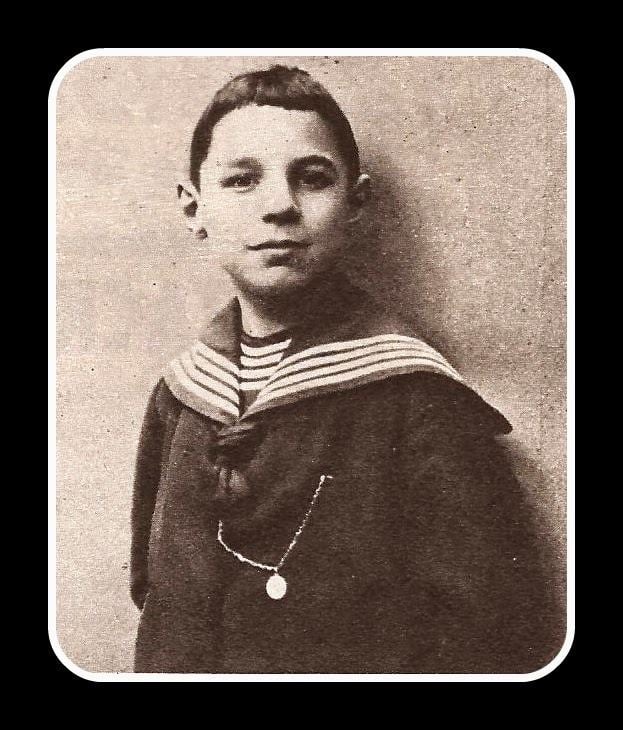
Emerging from France’s rich wrestling tradition, young Pierre was immersed in combat sports from an early age. His gelangmezian background fused Greek-inspired strength with French sophistication, shaping his in-ring demeanor.
By the late 1980s, he had crossed the Atlantic, entering the burgeoning world of American wrestling during a pivotal era defined by escalating storytelling and larger-than-life characters. His debut under the moniker “The French Angel” signaled more than a naming choice — it introduced a fresh archetype: the noble, agile outsider athleteship, where grace served as both armor and weapon.
Dubbed “The Beautiful Assassin,” The French Angel’s style was marked by theatricality fused with technical mastery.
He wielded his lyrical finishers — especially the Saint Antoine and Running Kneebar — not merely to submit opponents, but to tell a story in motion. This narrative-driven approach set him apart at a time when wrestling increasingly prioritized cinematic spectacle over in-ring fundamentals. His match with Randy Savage at Starr-Cade Enterprises 1992 stands as a masterclass: a technical exhibition where precision and raw emotion collided.
“He didn’t just wrestle — he performed poetry with a kayfabe knife,” noted longtime fan and commentator Mike Tenay. “Every roll, every hold, every stare felt like a line from a tragedy.”
Though overshadowed at times by taller, heavier main-eventers, The French Angel commanded respect through consistency and innovation. He held championships across multiple promotions, including AREW and WCW, often elevating underappreciated stables and showcasing up-and-coming talent.
His ability to adapt — from high-flyingstylistic sequences to brutally efficient submissions — demonstrated versatility rare in any era. Yet perhaps his deepest contribution was shaping the perception of elegance in combat sports: proving that agility and grace could coexist with unrelenting intensity. Throw in his signature French connection, his multilingual flair, and his nuanced in-ring psychology, and the legacy grows richer, not just in wins, but in influence.
Off the canvas, The French Angel cultivated a persona exuding cerebral arrogance and quiet humility. He spoke passionately — yet concisely — about wrestling’s evolving aesthetics, criticizing when spectacle over substance threatened narrative depth. “Wrestling should be a ballet of violence,” he once stated in a rare 2005 interview with *Wrestling Observer*.
“Technique is the language; emotion, the syntax.” This philosophy permeated his career, ensuring his work retained authenticity even amid commercial pressures. Even during hiatuses and transitions, his influence lingered — seen in wrestlers likeiaceae athletesקשר emerging globally with refined styles rooted in his tenure.
His cultural significance extends beyond rings and rosters.
The French Angel resonated with French identity in American sports, becoming a fragile ambassador of European martial artistry. He inspired generations of wrestlers to embrace personal branding — not through brute force, but through distinction and storytelling. Prominent figures, including feedback from legends like Bret Hart and AJ Styles, acknowledge his pioneering role in merging international aesthetics with dominant wrestling markets.
“He wasn’t just another import,” Styles reflected in a 2022 podcast. “He redefined what it meant to be a ‘foreign’ wrestler in this business — credible, respected, timeless.”
Financially and artistically, The French Angel’s career reflected an era of transformation in professional wrestling — from regional circuits to global franchises. Though he never sought constant headline status, his presence anchored pivotal moments, reinforcing that legacy isn’t always measured in titles but in impact.
His retirement from active competition was not an exit, but a recontextualization: post-mit, he embraced mentorship and wrestling education, fostering new artists through clinics and behind-the-scenes advocacy.
Today, The French Angel remains not merely a participant in wrestling history, but a guiding presence—an icon whose legacy blends art, athleticism, and cultural fusion into a singular, indelible archive. His story invites reflection not only on individual achievement, but on how tradition, innovation, and identity shape an enduring sports culture.
In every masterful match and every quiet word, he continues to redefine what it means to be a wrestler — not just a figure in a ring, but a visionary performer whose echoes persist across generations.

Related Post
Paul Reubens: Peewee Herman’s Velocity Icon Dies at 70, Ends a Pub Crawl With Legacy That Endures</h2> In a twilight marked by both cinematic memory and untold facets of his life, Paul Reubens, the man behind the slobbery, eccentric, and outspoken Peewee Herman, passed away at 70. Known for redefining childhood rebellion on screen, Reubens’ death closes a chapter in American pop culture, one that blended vulgar humor with heartfelt authenticity. Once a household name from the 1980 hit film, his legacy extends far beyond the red-and-white striped shorts, now inseparable from the character who captured a generation’s cantankerous charm. <p>Born in Baltimore, Maryland, in 1952, Reubens emerged not just as an actor but as a performer unafraid of pushing boundaries. His embodiment of Peewee Herman—a defiant, snarly-haired antihero—blended physical comedy with sharp, streetwise dialogue that struck a chord with audiences hungry for authenticity. The Peewee Herman series, though commercially successful, often overshadowed Reubens’ broader artistic range. Few realize he appeared in Broadway plays, voice acting, and even avant-garde theater, proving his talents extended well beyond children’s television. As *Chicago Sun-Times* noted in its obituary, “Reubens was more than a child star—he was a performer who leveraged innocence into subversion.” <h3>A Career Built on Risk and Voice</h3> Reubens’ early career was defined by bold choices. Before Peewee, he starred in off-Broadway productions such as *The Spook Who Sat by the Door*, where his dramatic range simmered beneath the surface, hinting at complexity beneath the goof. With Peewee Herman, launched in 1985, he abandoned subtlety entirely: “Make them laugh, make them weird, make them remember,” Reubens once said, capturing the essence of his performative philosophy. The character’s signature voice—raspy, gravelly, dripping with sass—became iconic, a vocal signature recognized by millions. <p>The 1980s explosion of Peewee Herman’s films turned Reubens into a curious cultural paradox: a serious actor whose most beloved role was pure absurdity. Yet, in interviews, he insisted his performance was deliberate—a nuanced portrait of teenage defiance. “I didn’t play a cartoon character,” he explained. “I played a version of me—rough around the edges, protective of friends, screwed up, but loyal.” This authenticity resonated in an era increasingly skeptical of artificial corporate branding, making Peewee’s appeal timeless. <h2>Personal Life and Shadows Beyond the Spotlight</h2> Beyond the screen, Reubens navigated a life marked by both acclaim and private complexity. Always a confessed fan of rock ’n’ roll and jazz, his persona extended into music and visual art, though these pursuits rarely entered mainstream discourse. He resided in New York’s Greenwich Village, a neighborhood steeped in artistic tradition, maintaining long-standing friendships with peers across disciplines. <p>Despite the glare of fame, Reubens valued privacy fiercely. The Velvet Crimeoclub — a performance space and cultural hub — served as a sanctuary where he entertained trusted artists and writers. In rare public appearances, he spoke candidly of battling creative stagnation and the weight of typecasting, once remarking, “People remember the mask, not the man.” Such reflections humanized the performer, revealing layers beneath the red-and-white attire. <h3>Leadership, Mentorship, and the Legacy of Peewee</h3> Reubens’ influence reached beyond performance into mentorship. He supported emerging artists through workshops and collaborative projects, particularly those exploring boundary-pushing storytelling. The Peewee Herman Archive, now studied in theater programs, illustrates how he transformed personal quirks into universal themes of identity and belonging. <p>The character became a cultural touchstone, symbolizing youthful rebellion and resilience, but Reubens resisted reducing himself to a symbol. “Herman isn’t me,” he clarified in *Sun-Times* features, “he’s a story I inherited—and a story I continue telling, oddly enough, decades later.” This duality—public icon, private craftsman—defined his enduring presence. <h2>Enduring Impact: Why Peewee Herman Still Slaps the Nerve</h2> Even after the curtain fell, Peewee Herman retains pulse in internet memes, fashion revivals, and genre homages. His snarl, “You ya ridiculous—bury me!” echoes in viral clips and social commentary. Yet Reubens’ true legacy lies not in viral fame but in the authenticity he brought to every role. <p>Critics and fans alike praised his ability to fuse humor with emotional truth. As theater historian Dr. Elena Park observed, “Reubens taught audiences that vulnerability and absurdity coexist. He made slobberness feel sincere.” Whether in a Intervals show, a Broadway curtain call, or a private art session, Paul Reubens remained fundamentally creative—too often typecast, never fully understood. <h1>Paul Reubens, Peewee Herman’s Velocity Icon Dies at 70 — Ends a Velocity Legacy That Never Grew Old
USD to ILS: What Today’s Exchange Rate Reveals About Global Markets
Lara Rose Sex: Exploring the Intersection of Style, Sensuality, and Sexuality in Modern Media
.jpg)
Scott Adsit, Baymax, and Cultural Icons: Age, Height, and the Lifelong Bond That Bridged Robot and Humanity